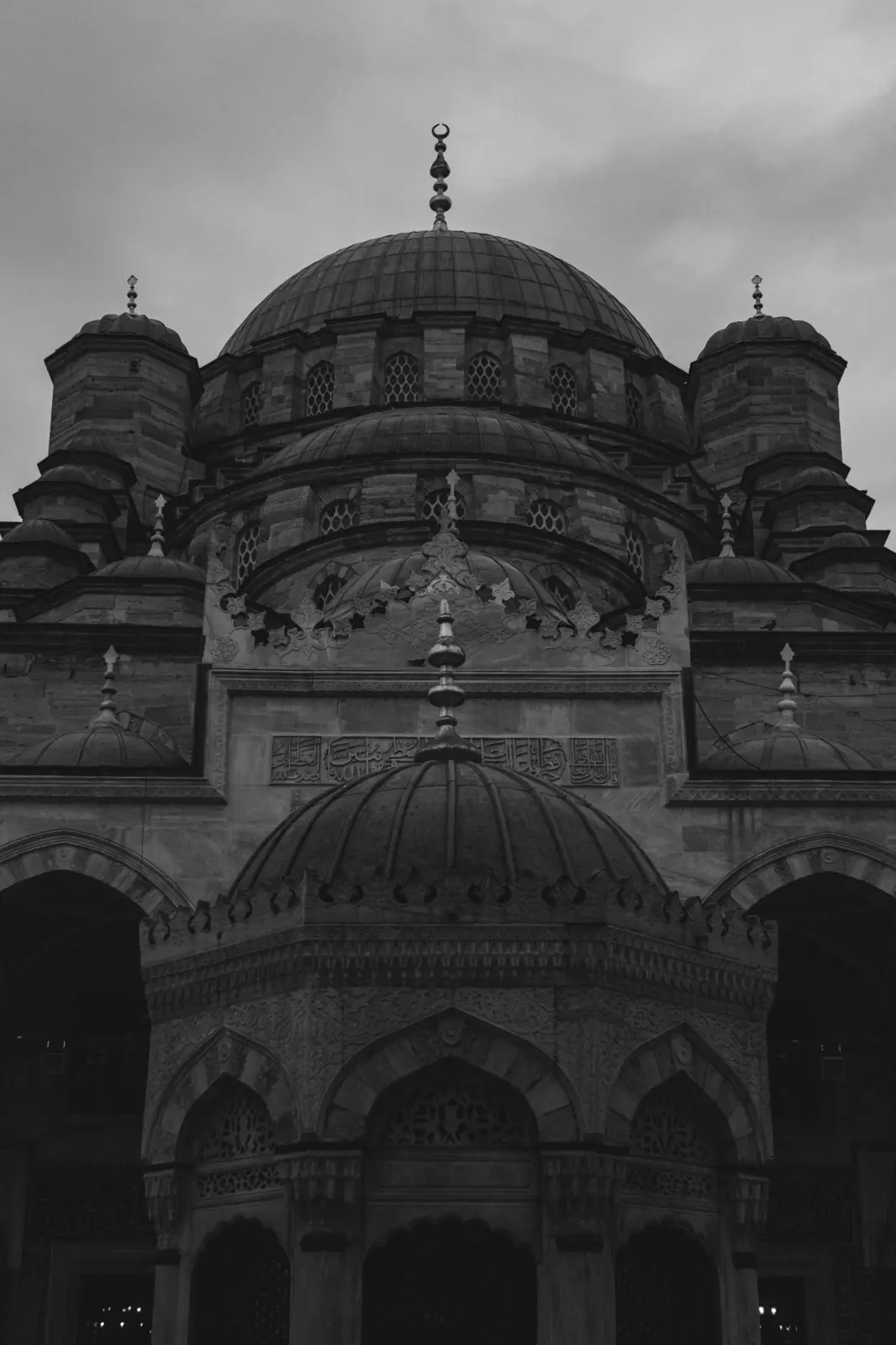
Eighteenth-century Ottoman logician and mathematician whose demanding commentary on the Īsāghūjī was one of the last major additions to the tradition.
Life
Ismāʿīl was born in 1143/1730 in Gelenbe, near Kırkağaç in the province of Manisa, into a family of scholars; his grandfather and father taught and served as muftis in the region. He lost his father young and began serious study only at thirteen or fourteen. In Istanbul he entered the Fatih madrasa, where he read Arabic and the transmitted sciences with Yāsīnjīzāde ʿOthmān Efendi and the rational sciences with Müftīzāde Meḥmed Emīn Efendi, known as ‘the walking library’. He passed the examination for teachers (ruʾūs) in 1177/1763.
For about twenty years he lived largely retired in his house in Zeyrek, Istanbul, studying and writing on and mathematics. In 1197/1783 he took part in the lectures held before the sultan (ḥuẓūr dersleri) and is said to have taught mathematics at the new naval engineering school. He wrote an explanation of logarithm tables brought to Istanbul by a French engineer and is reported to have corrected the aiming calculations of the artillery before Sultan Selim III, who rewarded him with the judgeship of Yenişehir (Larissa) in 1204/1790. After a harsh official rebuke from the şeyhülislâm over his view that the new moon could be fixed by calculation, he suffered a stroke and died at Yenişehir in 1205/1791.
TDV calls him one of the important through whom the late Ottoman understanding of the sciences was passed on. His al-Burhān is described as one of the rare works of classical written in the eighteenth century.
Works
- Sharḥ Īsāghūjī (al-Kalanbawī ʿalā Īsāghūjī) شَرْحُ إِيسَاغُوجِي — on ĪsāghūjīPrinted in Istanbul in 1275 and 1283 AH (TDV). He says he decided to write it while discussing ‘al-Risāla al-Athīriyya’ with friends. A modern edition by Jādallāh Bassām Ṣāliḥ appeared in Jordan (Dār al-Nūr, 2016), according to Evmeş.commentary
- al-Burhān fī ʿilm al-manṭiq البُرْهَانAn independent logic handbook with his own gloss (Ḥāshiyat al-Burhān); several Istanbul printings and an Ottoman Turkish translation and commentary by ʿAbd al-Nāfiʿ ʿİffet Efendi.work
- Risālat al-ādāb رِسَالَةُ الآدَابA treatise on the rules of debate (ādāb al-baḥth).work
Reception
The modern editor of al-Kātī counts al-Kalanbawī’s among the most accomplished, but calls it hard for today’s students because of its difficult discussions and fine distinctions, so hard that some teachers stopped teaching it.
Adem Evmeş notes that, like al-Fanārī, he opens by explaining what gives its unity as a science (its and its purpose), and that he takes up objections that can be raised against al-Abharī’s wording and proposes his own answers.
Sources (4)
- TDV İslâm Ansiklopedisi, ‘GELENBEVÎ’ (Şerafettin Gölcük, Metin Yurdagür)
- Adem Evmeş, ‘Gelenbevî’nin Îsâgûcî Şerhi Üzerine’, Mantık Araştırmaları Dergisi 2 (2020)
- TDV İslâm Ansiklopedisi, ‘ÎSÂGŪCÎ’ (Abdulkuddüs Bingöl)
- al-Kātī, Sharḥ matn al-Īsāghūjī, ed. Qāsim b. Naʿīm al-Ḥanafī (2015), editor’s introduction