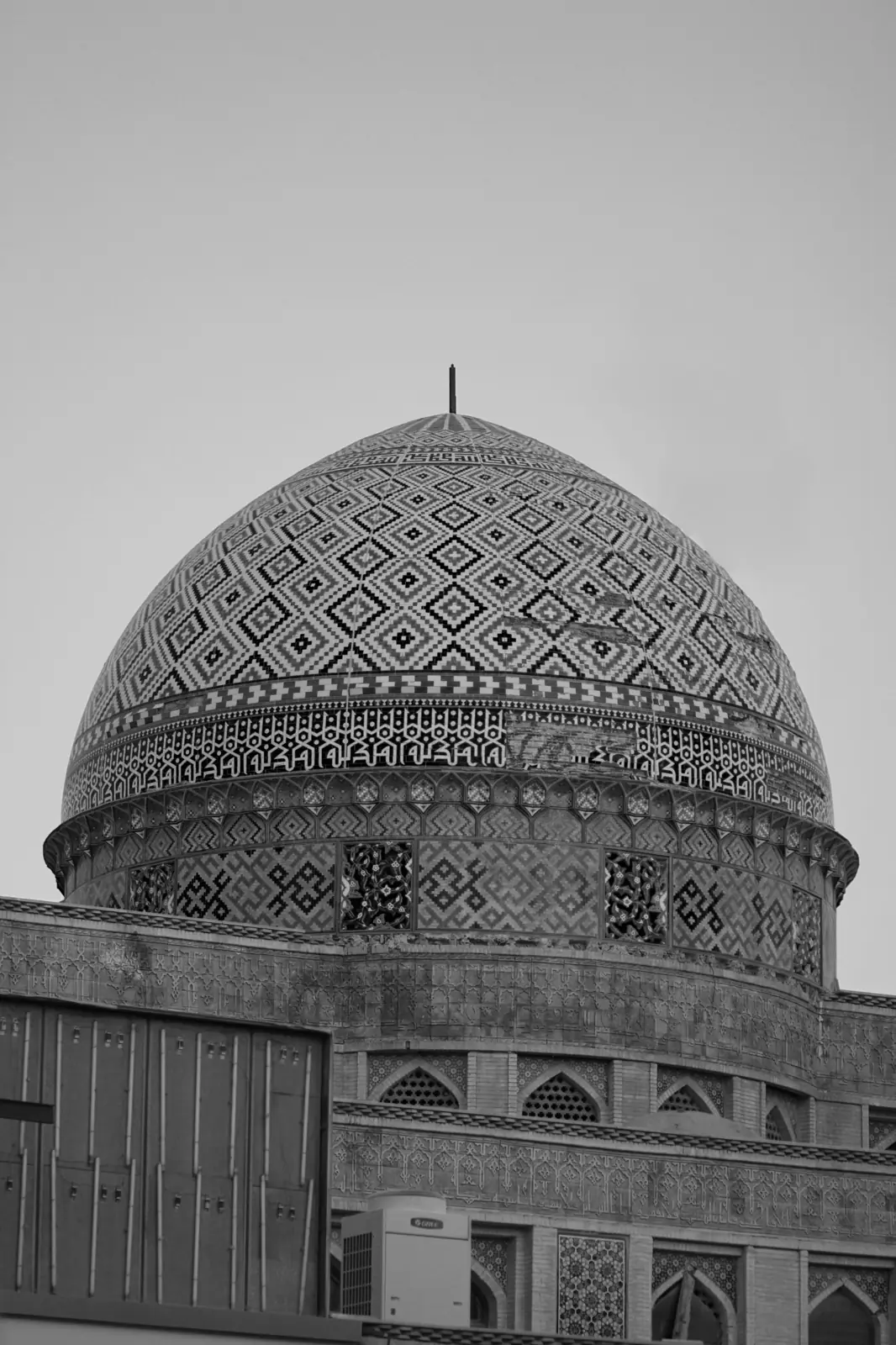
Philosopher of Shiraz and head of the Manṣūriyya madrasa who carried on his father’s quarrel with al-Dawānī in a series of refutations, among them glosses against al-Dawānī’s writings on the Shamsiyya commentary and the Tahdhīb.
Life
Ghiyāth al-Dīn Manṣūr was born in Shiraz in 866/1462 into the Dashtakī family of sayyids of Fārs, known for its scholars. His father, Ṣadr al-Dīn Muḥammad al-Dashtakī (d. 903/1498), was among the leading thinkers of the age and taught at the family’s madrasa in Shiraz, the Manṣūriyya. He studied with his father, and the biographers quoted by the TDV İslâm Ansiklopedisi report that at fourteen he challenged Jalāl al-Dīn al-Dawānī to a debate and that he finished his studies at twenty. Little is known of the rest of his life under the Aq Qoyunlu; he probably taught at the Manṣūriyya and took charge of it after his father was killed.
Under the Safavids he briefly held high office. In 927/1521 Shāh Ismāʿīl I summoned him from Shiraz to restore the ruined observatory of Naṣīr al-Dīn al-Ṭūsī at Maragha, and on 10 Rajab 936 (10 March 1530) Shāh Ṭahmāsb appointed him ṣadr. In Tabriz he opposed the Shīʿī jurist al-Muḥaqqiq al-Karakī, who wanted to change the qibla of Iranian mosques on legal grounds, arguing that such a change could only be made with astronomy and geometry; after a sharp dispute before the shah he was dismissed in Muḥarram 938 (August–September 1531). He returned to Shiraz, taught at the Manṣūriyya for the rest of his life and was buried in its garden beside his father. The TDV suggests that the influence of al-Karakī’s followers explains why few manuscripts of his works survive.
His reputation, in Iran and among the Ottomans, rested above all on the controversy between his father and al-Dawānī. Andrew Newman’s Encyclopaedia Iranica article on al-Dawānī notes that Ghiyāth al-Dīn continued the critique after both men had died, and that their arguments produced glosses and counter-glosses on several standard texts. The TDV lists refutations of al-Dawānī’s on Suhrawardī’s Hayākil al-nūr, of his gloss on the Shamsiyya commentary, of his gloss on the opening of the Tahdhīb, of his Unmūdhaj al-ʿulūm and of al-Risāla al-zawrāʾ, as well as ‘adjudications’ (muḥākamāt) weighing the glosses of his father and al-Dawānī on the commentaries on al-Urmawī’s Maṭāliʿ, on al-Qūshjī’s commentary on the Tajrīd and on al-Ījī’s commentary on Ibn al-Ḥājib. Kâtip Çelebi later cited the quarrel as the model of a learned dispute that turned into something like a blood feud. He also wrote on ethics, astronomy, mathematics, medicine and Qurʾān commentary, and an Arabic abridgement of the of Ibn Sīnā’s Shifāʾ.
Among his students the TDV names his son Mīr Ṣadr al-Dīn, Kamāl al-Dīn Ḥusayn Ardabīlī, Shaykh Aḥmad Jamāl al-Dīn Khalkhālī and Muṣliḥ al-Dīn al-Lārī; Fatḥ Allāh Shīrāzī read medicine and mathematics with him, and ʿAbd Allāh al-Yazdī, the author of the most read on the Tahdhīb, studied with him at the Manṣūriyya.
Uncertain or disputed
- Year of death: 949/1542 in the TDV (with the exact date 6 Jumādā I 949/18 August 1542), in PIPDI and in the site’s articles; the date 948 sometimes met with was not found in the sources consulted.
- Whether he took over the Manṣūriyya only after his father’s death is the TDV’s inference (‘probably’); the sources say little about his life under the Aq Qoyunlu.
Works
- al-Radd ʿalā Ḥāshiyat al-Shamsiyya — on al-Sayyid al-Sharīf al-JurjānīA gloss on al-Jurjānī’s gloss on Quṭb al-Dīn al-Rāzī’s commentary on the Shamsiyya, written to refute al-Dawānī’s gloss (Brockelmann, GAL S I 846: ‘zur Widerlegung von Dawānī’; TDV). Manuscripts in Mashhad and Istanbul.gloss
- al-Radd ʿalā Ḥāshiyat Tahdhīb al-manṭiq — on Tahdhīb al-manṭiqA refutation of al-Dawānī’s gloss (commentary) on the opening of al-Taftāzānī’s Tahdhīb, on the five universals and propositions (TDV).gloss
- Muḥākamāt ʿalā Ḥāshiyat Sharḥ Maṭāliʿ al-anwārWeighs the glosses of al-Dawānī and of his father on al-Jurjānī’s gloss on Quṭb al-Dīn al-Rāzī’s commentary on al-Urmawī’s Maṭāliʿ (TDV).gloss
- Taʿdīl al-mīzān تَعْدِيلُ المِيزَانِ — on Ibn SīnāArabic abridgement of the logic of Ibn Sīnā’s al-Shifāʾ; he also made a summary of it, Miʿyār al-afkār (TDV).work
- Ishrāq Hayākil al-nūr li-kashf ẓulumāt Shawākil al-ghurūrRefutation of al-Dawānī’s commentary on Suhrawardī’s Hayākil al-nūr; edited as a Tehran master’s thesis (TDV).work
- Ḥāshiya ʿalā Sharḥ Ḥikmat al-ʿayn — on Ibn MubārakshāhGloss on Ibn Mubārakshāh’s commentary on al-Kātibī’s Ḥikmat al-ʿayn (TDV).gloss
Reception
Ottoman scholars knew him as Mīr Ghiyāth; Kâtip Çelebi used the feud between the Dashtakīs and al-Dawānī as a cautionary example.
His refutation of al-Dawānī’s gloss belongs to the Shiraz literature of glosses and counter-glosses on the Quṭbī described in the site’s article on the on the Shamsiyya.
Sources (4)
- Harun Anay, ‘Mîr Gıyâseddin Mansûr’, TDV İslâm Ansiklopedisi 30, 125–128
- Andrew J. Newman, ‘Davānī, Jalāl-al-Dīn Moḥammad’, Encyclopaedia Iranica (1994)
- Brockelmann, GAL Supplement I (1937), pp. 845–847, al-Kātibī no. I (archive.org scan)
- The Philosophical Works of Islamic Authors (PIPDI), commentaries on al-Kātibī, al-Taftāzānī and al-Ījī