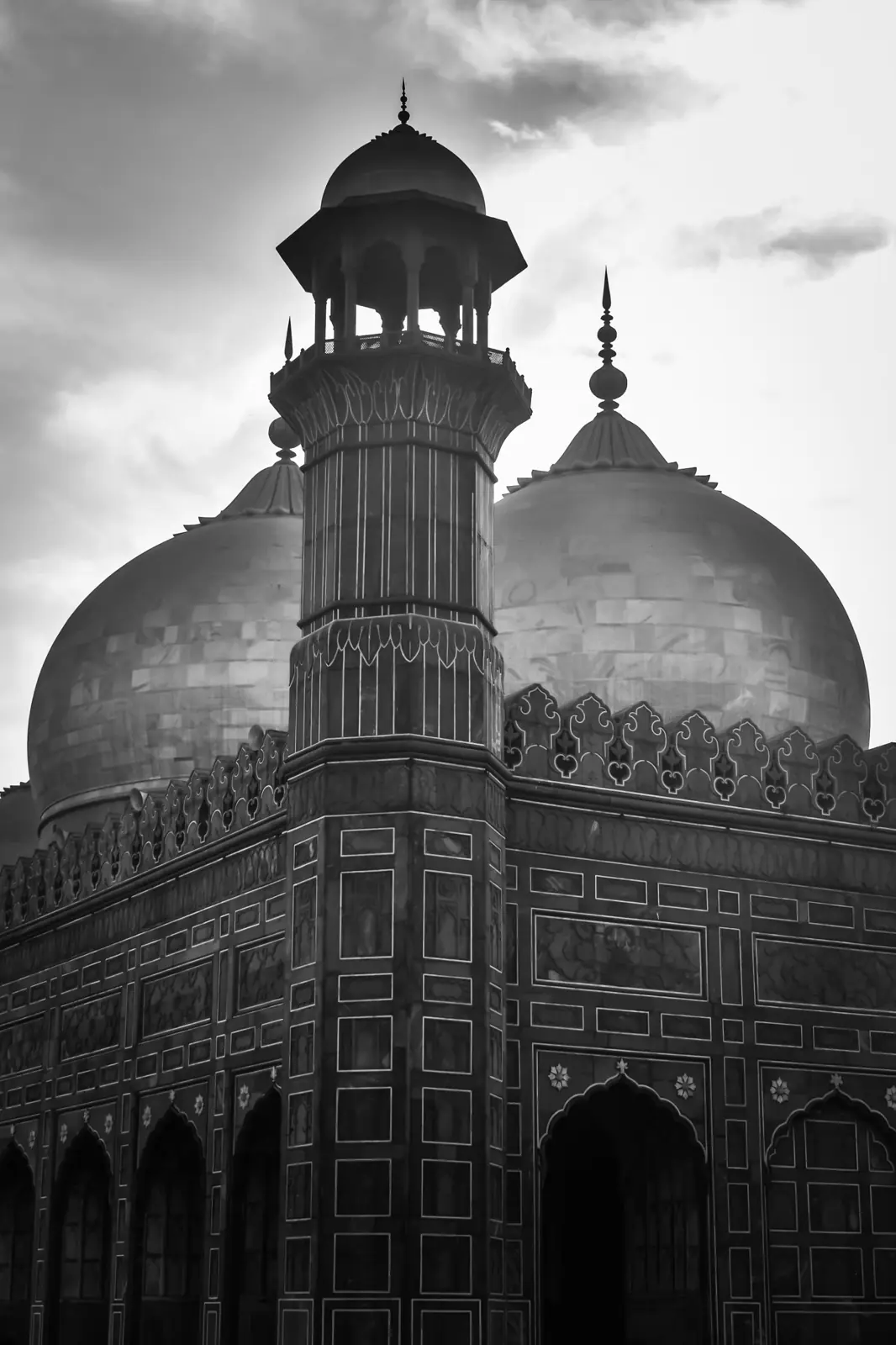
Author of al-Sirāj al-wahhāj, one of the earliest commentaries on Sullam al-ʿulūm, dedicated to the Mughal emperor Bahādur Shāh I.
Life
Almost nothing is known of Fīrūz b. Maḥabba beyond his . ʿAbd al-Ḥayy al-Ḥasanī’s Nuzhat al-khawāṭir gives him a two-line entry: ‘one of the well-known learned men’, the author of a commentary on Sullam al-ʿulūm of Muḥibb Allāh b. ʿAbd al-Shakūr al-Bihārī, which begins Laka al-ḥamd yā man ʿalā al-akwān bi-aṣnāf al-iḥsān. Asad Q. Ahmed, who used a manuscript of the work, likewise found ‘no further information about the author’.
The , al-Sirāj al-wahhāj (‘the blazing lamp’), is dedicated to Quṭb al-Dīn Muḥammad Shāh ʿĀlam Bādshāh. Ahmed identifies him as Bahādur Shāh I and, from the titles used and the prayer for the continuance of his reign, concludes that the work was written during his rule, between 1118/1707 and 1124/1712. A catalogue that dates Fīrūz to the reign of Shāh ʿĀlam II (r. 1173/1759–1221/1806) has, he shows, confused the two emperors. Fīrūz thus belongs to the first generation of commentators, writing within a few years of al-Bihārī’s death; with al-Sāʾinpūrī’s commentary, dedicated to Nawwāb Khudābanda Khān, his is one of the two earliest commentaries addressed to imperial .
Ahmed uses Fīrūz as a representative early voice in two debates. On the liar paradox, where al-Dawānī had required a distinction ‘in virtue of their very selves’ between a report and what it reports about, Fīrūz read al-Bihārī as arguing that a distinction made by the mind (bi-l-iʿtibār) is enough, and accepted it; later commentators dismissed this reading. On existence, Fīrūz quotes al-Dawānī’s rejection of the principle that the of something of something is ‘derivative’ of the existence of the , and sets out the position of al-Bihārī. Ahmed also shows how lemmata of the author’s self- reappear without attribution in the commentaries of al-Sāʾinpūrī, Fīrūz and Ḥamd Allāh.
Uncertain or disputed
- Name: Nuzhat al-khawāṭir and Ahmed write Fīrūz b. Maḥabba; the British Library record of the Delhi print (via the Penn Libraries catalogue) has Muḥammad Fayrūz ibn Muḥibbah.
- His dates of birth and death, his teachers and his place of work are unknown; the dedication gives only the period in which he wrote.
Works
- al-Sirāj al-wahhāj (Sharḥ Sullam al-ʿulūm) السِّرَاجُ الوَهَّاجُ — on Sullam al-ʿulūmDedicated to Bahādur Shāh I, so written 1118–1124/1707–1712. Manuscripts survive, and fragments appear in the margins of nineteenth-century lithographs of the Sullam (Ahmed). A Delhi lithograph of 1893 (248 pp.), ‘Kitāb al-mashhūr bi-hi Fayrūz’, prints the commentary on the conceptualizations with marginal glosses by Asʿad b. Maḥmūd (Ṣāḥibzāda Ūtmānzai, 1854/55–1928/29).commentary
Reception
An image of al-Sirāj al-wahhāj is the cover illustration of Asad Q. Ahmed’s Palimpsests of Themselves (2022), the main modern study of the Sullam and its .
Sources (3)
- Asad Q. Ahmed, Palimpsests of Themselves: Logic and Commentary in Postclassical Muslim South Asia (University of California Press, 2022), ch. 1–3 (open-access PDF)
- ʿAbd al-Ḥayy al-Ḥasanī, Nuzhat al-khawāṭir 6, entry ‘Mullā Fīrūz b. Maḥabba’ (al-Maktaba al-Shāmila)
- Penn Libraries catalogue: Fayrūz (Delhi, 1893), Early Arabic Printed Books from the British Library