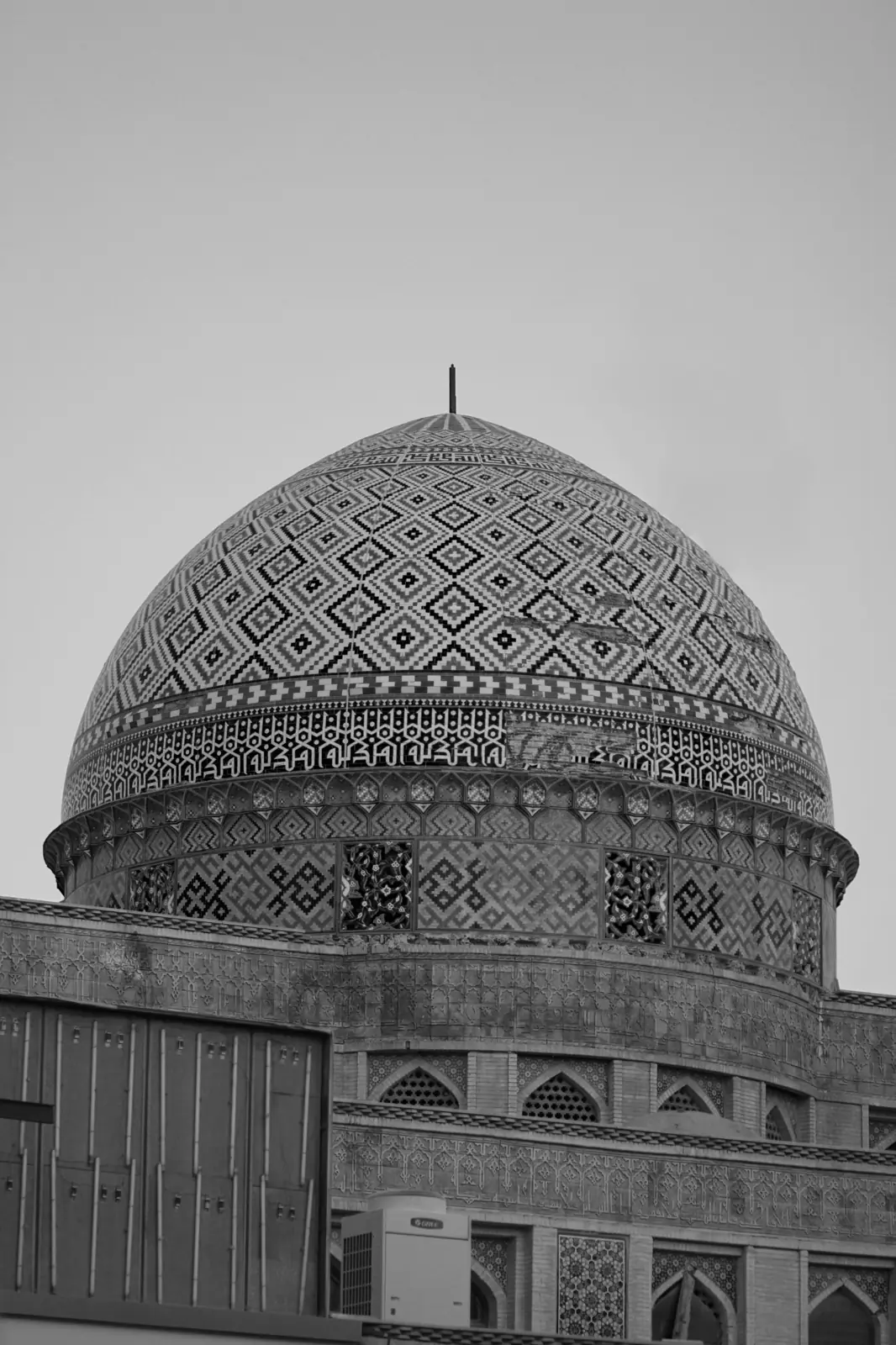
Philosopher of Shiraz, founder of the Dashtakī line of rational scholarship and rival of al-Dawānī, who glossed al-Jurjānī’s gloss on the Quṭbī as far as the chapter on definition and wrote glosses on Quṭb al-Dīn al-Rāzī’s commentaries on the Shamsiyya and the Maṭāliʿ.
Life
Ṣadr al-Dīn was born in 828/1425 in the Dashtak quarter of Shiraz, into a family of sayyids. According to the TDV İslâm Ansiklopedisi he learned ḥadīth from his father Ghiyāth al-Dīn Manṣūr and his uncle Niẓām al-Dīn Aḥmad, Arabic and law from a relative, and logic and philosophy from Qiwām al-Dīn Muḥammad Gulbārī, a pupil of al-Sayyid al-Sharīf al-Jurjānī. His teaching was continued by his son, Ghiyāth al-Dīn Manṣūr al-Dashtakī (d. 948–949/1541–42), after whom the Manṣūriyya madrasa of Shiraz is named, and by his grandson; the TDV also notes his influence on Mullā Ṣadrā. He was killed in Shiraz on 12 Ramaḍān 903/4 May 1498 by men of the Bayundur tribe of the Aqqoyunlu and buried in the garden of the Manṣūriyya.
He is best known for his long controversy with his fellow Shirazi Jalāl al-Dīn al-Dawānī. It began with glosses on ʿAlī Qūshjī’s commentary on al-Ṭūsī’s Tajrīd: al-Dawānī glossed it, Ṣadr al-Dīn criticised him, al-Dawānī replied, and the exchange of glosses and counter-glosses (later continued by Ghiyāth al-Dīn) became known as al-Ṭabaqāt al-Ṣadriyya wa-l-Jalāliyya. Later writers made the quarrel a sectarian one, the Dashtakīs being Shīʿī and al-Dawānī Sunni; the TDV finds no evidence for this, while Encyclopaedia Iranica reports Nūr Allāh Shūshtarī’s claim that Ṣadr al-Dīn was the first of the family to profess Twelver Shīʿism openly.
His logic is preserved in glosses on Quṭb al-Dīn al-Rāzī’s commentaries. The TDV lists a gloss on the commentary on the Shamsiyya and a second gloss on Lawāmiʿ al-asrār, the commentary on the Maṭāliʿ. Ḥājjī Khalīfa (as cited in this section’s catalogue) and Wisnovsky’s handlist after Brockelmann record his gloss on al-Jurjānī’s ‘small gloss’ on the Quṭbī, which reaches the discussion of definition (al-qawl al-shāriḥ); it opened the Shirazi debate on that gloss in which al-Dawānī and Ghiyāth al-Dīn also took part (see ‘Commentaries and glosses’ in the Shamsiyya section). Asad Q. Ahmed traces the learning of Muḥibb Allāh al-Bihārī, author of Sullam al-ʿulūm, back to the circle of the Dashtakīs (see ‘Muḥibb Allāh al-Bihārī’).
Uncertain or disputed
- His father’s name: Ghiyāth al-Dīn Manṣūr (TDV; PIPDI ‘ibn Ghiyāthaddīn’); Encyclopaedia Iranica calls him Ṣadr al-Dīn Muḥammad b. Ebrāhīm.
- Day of death: 12 Ramaḍān 903 (TDV) or 17 Ramaḍān 903 (Wikipedia). The TDV names the Bayundur tribe of the Aqqoyunlu as his killers; Wikipedia says he was killed by Turkmens on the order of the ruler Qāsim Beg after leading a rising.
- Whether the Manṣūriyya madrasa was founded by him (Wikipedia) or by his son, after whom it is named (one account in Encyclopaedia Iranica).
Works
- Ḥāshiya ʿalā Ḥāshiyat al-Sayyid al-Sharīf ʿalā Sharḥ al-Shamsiyya — op al-Risāla al-ShamsiyyaGloss on al-Jurjānī’s small gloss on Quṭb al-Dīn al-Rāzī’s commentary, as far as the chapter on definition (Ḥājjī Khalīfa as cited in the catalogue; PIPDI lists it as ‘Ṣadraddīn Muḥammad ibn Ghiyāthaddīn ash-Shīrāzī (903/1498)’). Manuscript.glosse
- Ḥāshiya ʿalā Sharḥ al-Shamsiyya — op Quṭb al-Dīn al-RāzīGloss on Quṭb al-Dīn al-Rāzī’s commentary (TDV). Whether this is the same work as the gloss on al-Jurjānī’s gloss has not been checked.glosse
- Ḥāshiya ʿalā Lawāmiʿ al-asrār — op Quṭb al-Dīn al-RāzīGloss on Quṭb al-Dīn al-Rāzī’s commentary on the Maṭāliʿ al-anwār (TDV: a second gloss).glosse
- Glosses on ʿAlī Qūshjī’s commentary on the Tajrīd (al-Ḥāshiya al-qadīma, al-Ḥāshiya al-jadīda)His part in the exchange with al-Dawānī.glosse
- Risāla fī ithbāt al-wājib رِسَالَةٌ فِي إِثْبَاتِ الوَاجِبِOn proving the Necessary Existent.werk
Reception
The Shirazi glosses of the Dashtakīs and al-Dawānī are among the most subtle layers of the literature on the Shamsiyya; through al-Bihārī’s teachers this tradition reached India.
Sources (5)
- Hilal Görgün, “Deştekî, Sadreddin”, TDV İslâm Ansiklopedisi, Ek-1 (2020), 320–322
- Andrew J. Newman, “Daštakī, ʿAṭāʾ-Allāh”, Encyclopaedia Iranica (1994)
- Andrew J. Newman, “Daštakī, Ḡīāṯ-al-Dīn Manṣūr”, Encyclopaedia Iranica (1994)
- R. Wisnovsky, Post-classical Islamic Philosophy Database Infrastructure (PIPDI), handlist after Brockelmann
- Wikipedia, “Sadr ad-Din Dashtaki”