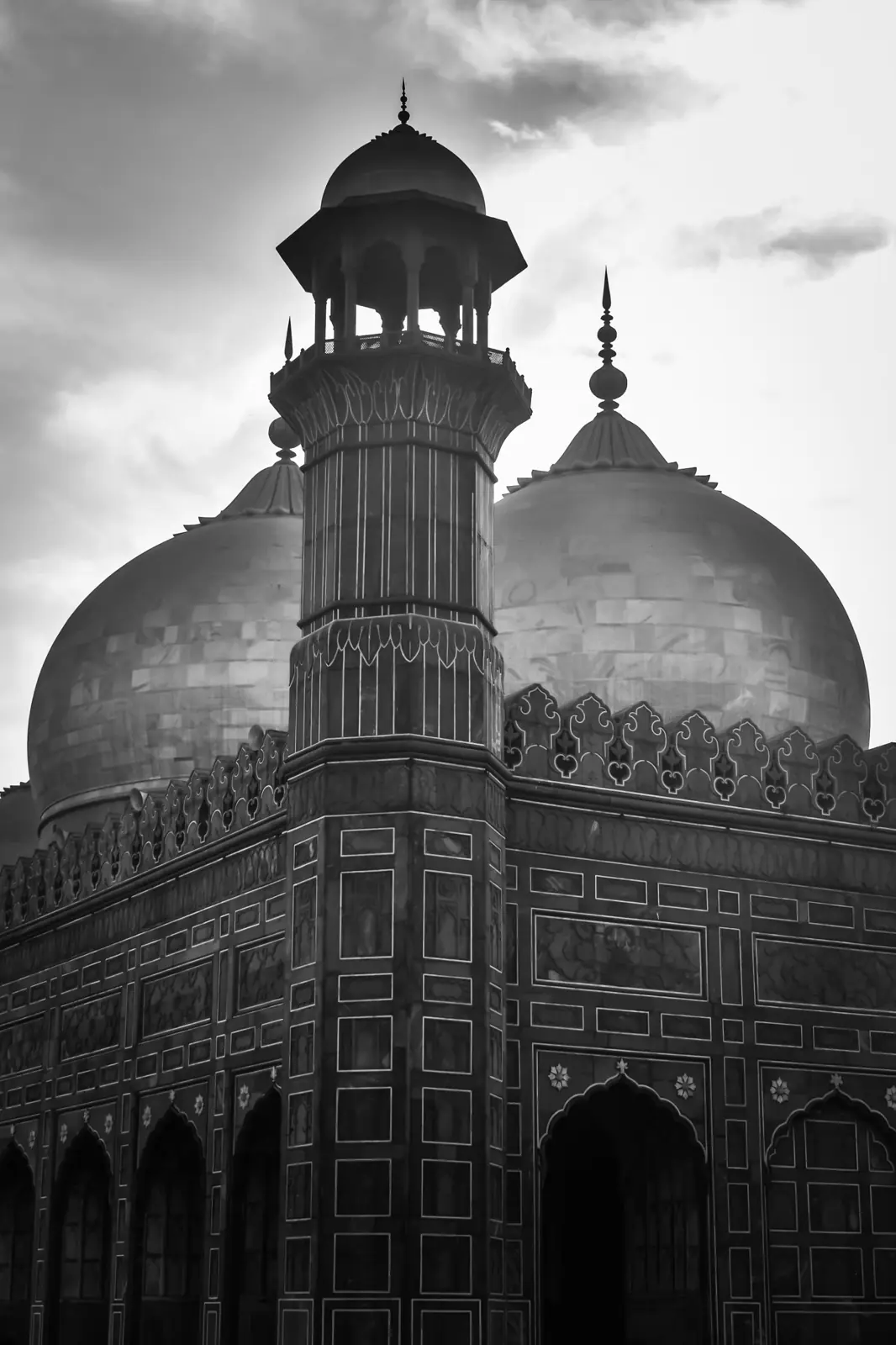
Son of Mullā Niẓām al-Dīn of Farangī Maḥall and one of the leading teachers of eighteenth-century India, author of a commentary on the Sullam al-ʿulūm with his own glosses (Minhuyāt) and of Fawātiḥ al-raḥamūt on al-Bihārī’s Musallam al-thubūt.
Life
ʿAbd al-ʿAlī was born in 1143/1731 in Farangī Maḥall, the Lucknow estate that Awrangzīb had given to his grandfather Quṭb al-Dīn al-Sihālawī. His father, Mullā Niẓām al-Dīn, gave his name to the Dars-i Niẓāmī. Nuzhat al-khawāṭir says that he finished his studies with his father at seventeen; when his father died six months later he continued reading and debating with Kamāl al-Dīn al-Fatiḥpūrī, his father’s senior pupil, who, according to Walī Allāh’s al-Aghṣān al-arbaʿa, tolerated the boy’s fierce arguments and compared him with Ṣadr al-Dīn al-Shīrāzī and al-Dawānī. The titles Baḥr al-ʿUlūm and Malik al-ʿulamāʾ are said to have been given to him by Shāh ʿAbd al-ʿAzīz of Delhi and by the son of the nawwāb of the Carnatic respectively.
He began teaching in his father’s place in Farangī Maḥall, but left Lucknow around 1167/1754 after a clash during Muḥarram that the TDV and Nuzhat link to tension between Sunnis and Shiʿis in the city. He taught for about twenty years in Shāhjahānpūr under Ḥāfiẓ Raḥmat Khān; after Ḥāfiẓ al-Mulk was killed in 1188/1774 he spent four years in Rampur under Fayḍ Allāh Khān, then taught at the madrasa founded by Munshī Ṣadr al-Dīn at Buhār near Burdwan, and finally, at the invitation of the nawwāb Wālājāh Muḥammad ʿAlī Khān, moved to Madras with a large company of students. Nuzhat describes the honours with which the nawwāb received him and the madrasa he built for him; Asad Q. Ahmed notes that he enjoyed the patronage of several princely states and of the East India Company. He died in Madras on 12 Rajab 1225 (13 August 1810) and was buried in the Wālājāhī mosque cemetery.
His commentary on the Sullam al-ʿulūm was, by his own account, written in his youth, most likely in Lucknow before 1167/1754. He later collected his scattered notes on it into a self-commentary (Minhuyāt), probably in Rampur, and asked students ‘not to rely on the commentary except after going over these glosses’. Ahmed counts it among the major first-order commentaries and stresses its concern with ontology, which links it to his metaphysical work al-ʿUjāla al-nāfiʿa; he finds that Baḥr al-ʿUlūm, more than any earlier author, set each passage of the Sullam back into the history of the debate. In legal theory he completed Fawātiḥ al-raḥamūt on al-Bihārī’s Musallam al-thubūt in 1180/1767. He also wrote glosses on standard texts of the Indian logic course and one of only four premodern Indian commentaries on Mīr Dāmād’s al-Ufuq al-mubīn, as well as works on law, Sufism and a commentary on Rūmī’s Mathnawī.
He was a teacher of teachers. Qāḍī Mubārak’s commentary on the Sullam was already being taught by him to one of Mubārak’s descendants, and many later commentators on the Sullam, among them Ghulām Jīlānī al-Rāmpūrī and ʿImād al-Dīn al-Labkanī, studied with him or his students.
Uncertain or disputed
- Who gave him his titles is disputed; the TDV reports the common view (Shāh ʿAbd al-ʿAzīz for Baḥr al-ʿUlūm, the son of Wālājāh for Malik al-ʿulamāʾ).
- The date of his departure from Lucknow (ca. 1167/1754) is Ahmed’s estimate; Nuzhat gives no year.
Works
- Sharḥ Sullam al-ʿulūm (‘Sullam Baḥr al-ʿUlūm’) شَرْحُ سُلَّمِ العُلُومِ — بر Sullam al-ʿulūmWritten in his youth, probably before ca. 1167/1754. Printed Delhi 1861 (TDV) and Delhi, Maṭbaʿ-yi Mujtabāʾī, 1309/1892 with the Minhuyāt; ed. ʿAbd al-Naṣīr Aḥmad al-Malībārī (Kuwait 2012).شرح
- Minhuyāt — بر Baḥr al-ʿUlūmHis glosses on his own commentary on the Sullam, collected probably in Rampur between 1188/1774 and 1192–93/1778–79 (Ahmed).حاشیه
- Fawātiḥ al-raḥamūt bi-sharḥ Musallam al-thubūt فَوَاتِحُ الرَّحَمُوتِ بِشَرْحِ مُسَلَّمِ الثُّبُوتِ — بر al-BihārīOn al-Bihārī’s legal theory, completed 1180/1767; printed Lucknow 1878 and in the margins of al-Ghazālī’s al-Mustaṣfā (Būlāq 1322, Cairo 1324).شرح
- Ḥāshiya ʿalā ḍābiṭat al-Tahdhīb — بر Tahdhīb al-manṭiqOn al-Taftāzānī’s rule of the conditions of the figures (Madras 1373, TDV).حاشیه
- Glosses on Mīr Zāhid’s glosses on the Risāla quṭbiyya, on Mullā Jalāl and on Sharḥ al-MawāqifPrinted Delhi 1875, Lucknow 1872 and Lucknow 1876 respectively (TDV).حاشیه
- Gloss on Ṣadr al-Dīn al-Shīrāzī’s commentary on Hidāyat al-ḥikmaOn al-Abharī’s handbook of philosophy, whose first part is logic (Lucknow 1846, TDV).حاشیه
- Commentary on Mīr Dāmād’s al-Ufuq al-mubīnOne of four premodern Indian commentaries on the work; concentrates on its early, ontological parts (Ahmed).شرح
Reception
Ahmed finds it surprising that his commentary on the Sullam, by one of the leading teachers of the century, drew few super-glosses; the glosses in the 1892 Delhi print were added by editors of the press.
His Fawātiḥ al-raḥamūt was printed in Egypt in the margins of al-Ghazālī’s al-Mustaṣfā, and his Rasāʾil al-arkān on worship was long a textbook in Indian madrasas (TDV).
Sources (3)
- Metin Yurdagür, “Bahrülulûm el-Leknevî”, TDV İslâm Ansiklopedisi 4 (1991), 518–519
- ʿAbd al-Ḥayy al-Ḥasanī, Nuzhat al-khawāṭir 7:1020–1022, entry ‘Malik al-ʿulamāʾ ʿAbd al-ʿAlī al-Laknawī’ (al-Maktaba al-Shāmila)
- Asad Q. Ahmed, Palimpsests of Themselves (University of California Press, 2022), 16, 22–23, 71–72 (open access)